.svg)
.png)


Versailles, between light and silence
A place that still speaks — through reflections, memory, and the quiet grandeur of an era that no longer exists.
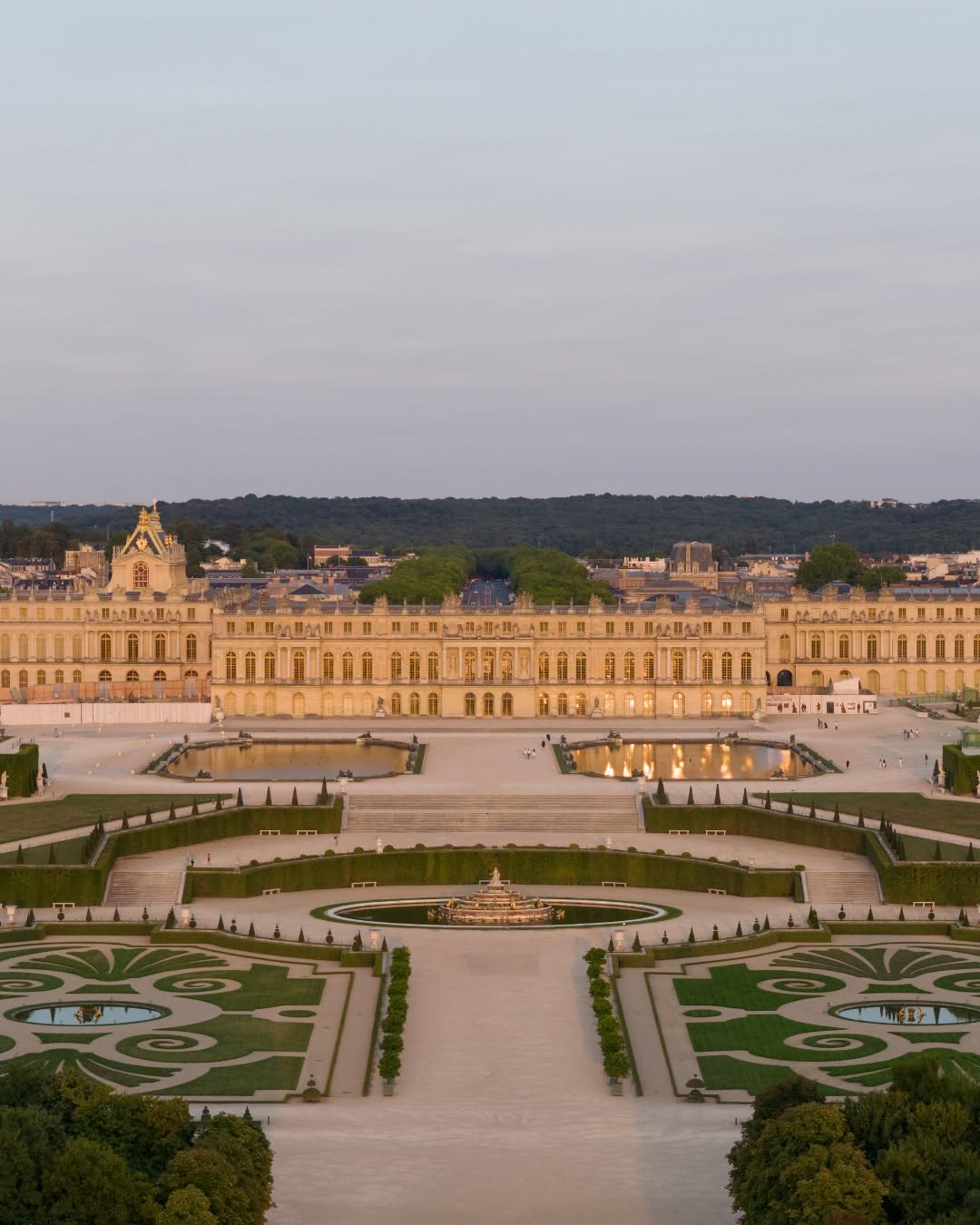
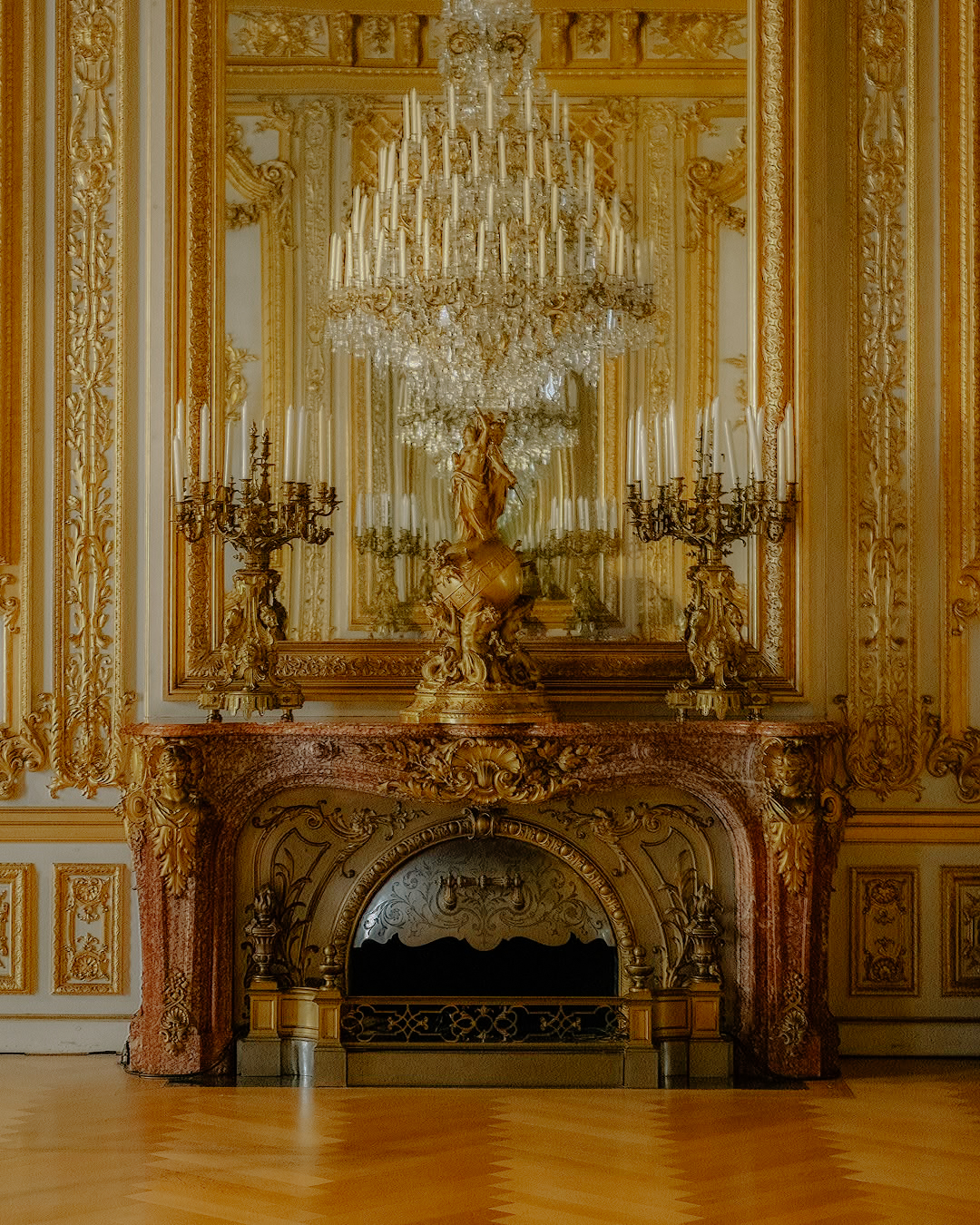
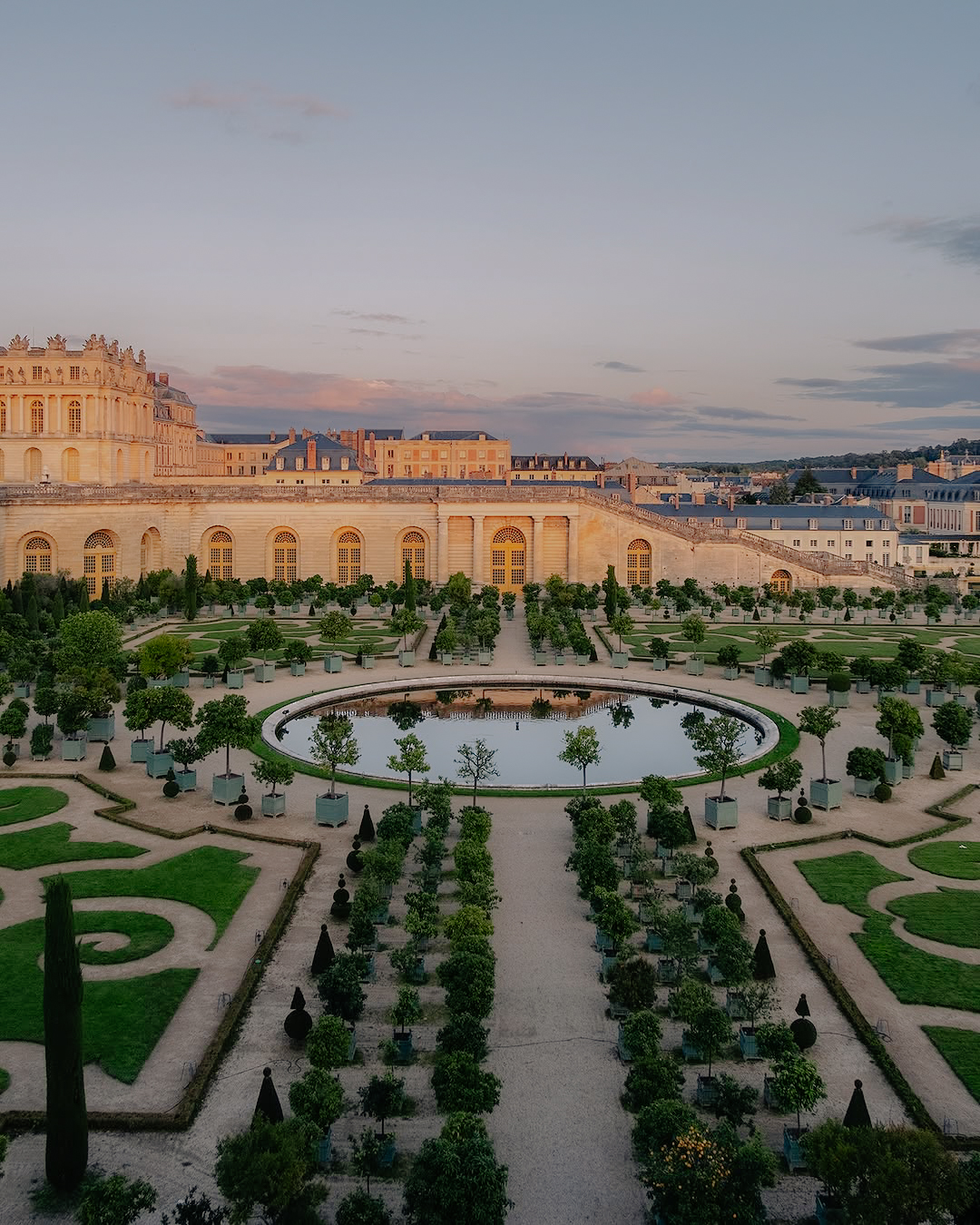
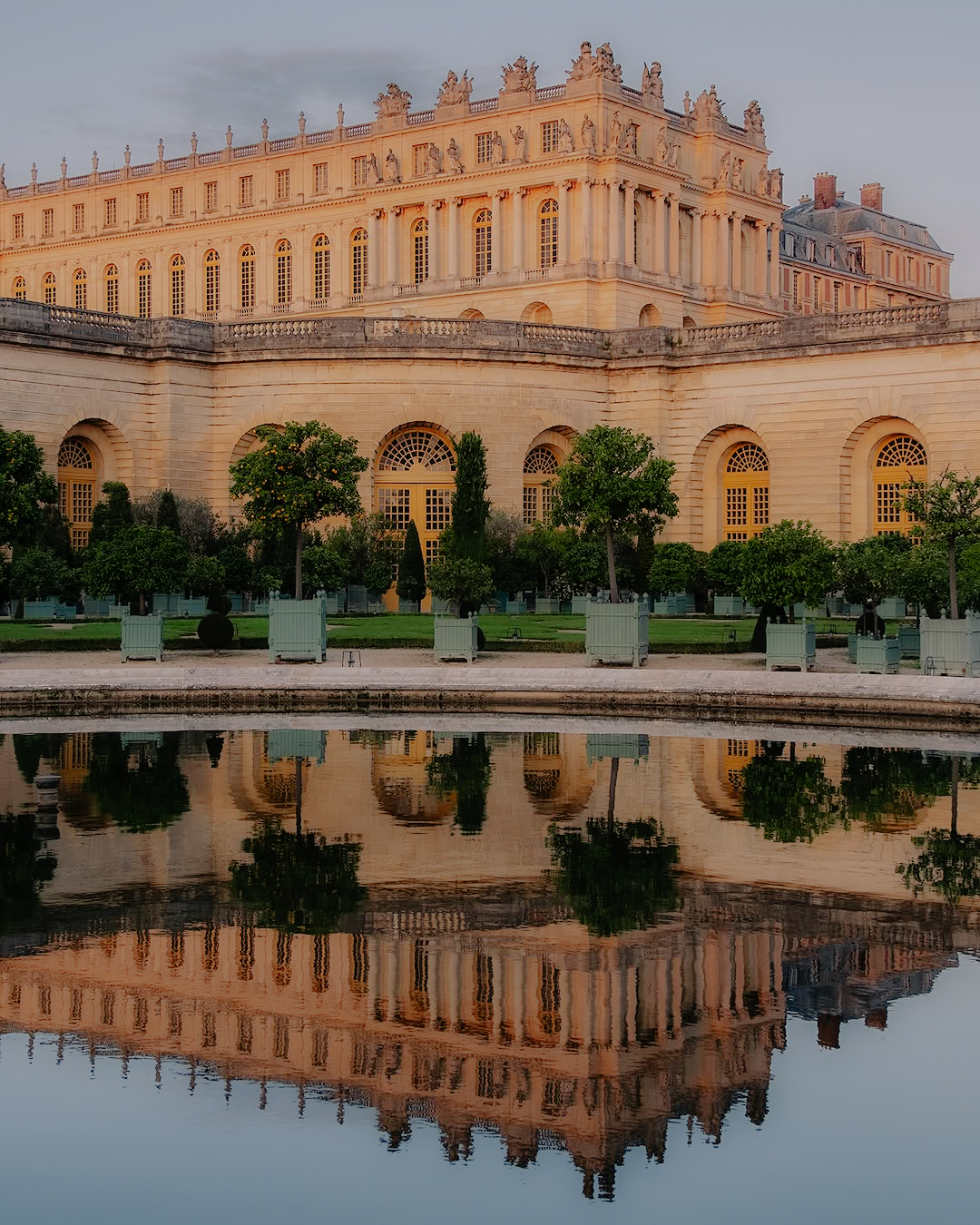
Time moves slowly at Versailles. You can feel it in the echo of footsteps on marble floors, in the golden dust that floats through morning light, in gardens designed more to be contemplated than crossed. Everything here was made to create distance: the geometric perfection of the parterres, the façades that mirror the sky, the fountains that keep their own rhythm. It’s a fragile balance between power and poetry. Even silence, within these walls, once meant obedience.
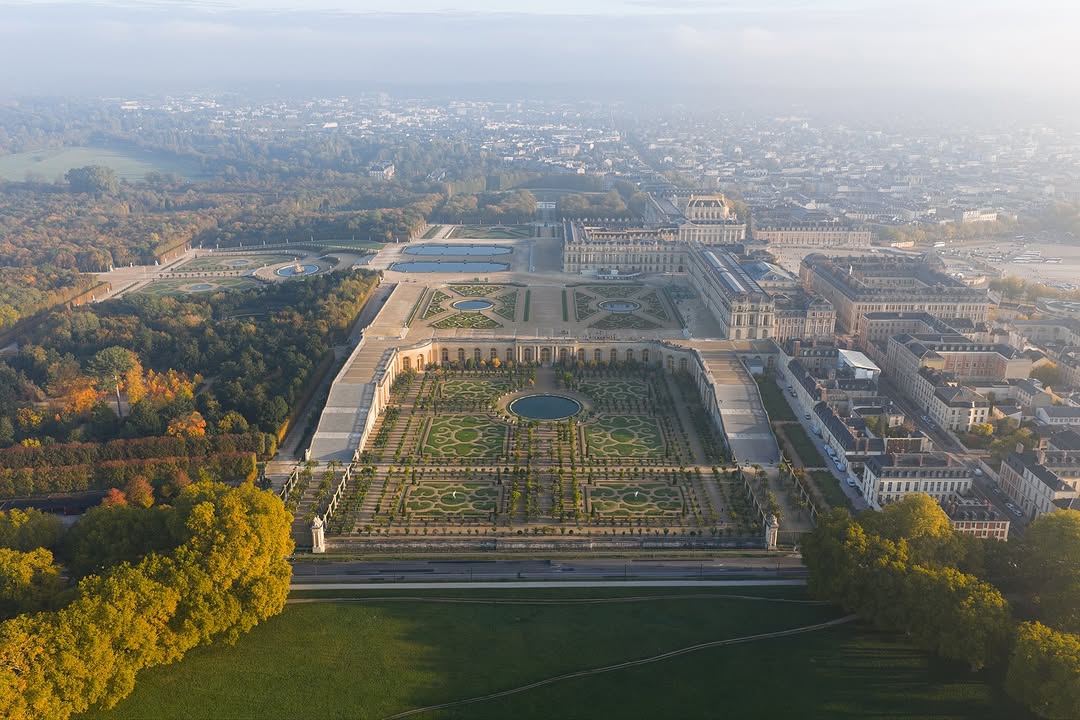
In 1661, a twenty-two-year-old Louis XIV decided to leave Paris and turn his father’s modest hunting lodge into a symbol of absolute power. He summoned architect Louis Le Vau, painter Charles Le Brun, landscaper André Le Nôtre, and later Jules Hardouin-Mansart. Together, in less than two decades, they transformed a simple estate into a palace of more than 2,300 rooms and 63,000 square meters. Every corner was a celebration of the Sun King from ceilings painted with celestial victories to gardens so precise they seemed drawn with a compass. Nature itself was disciplined, molded to reflect royal order and control.
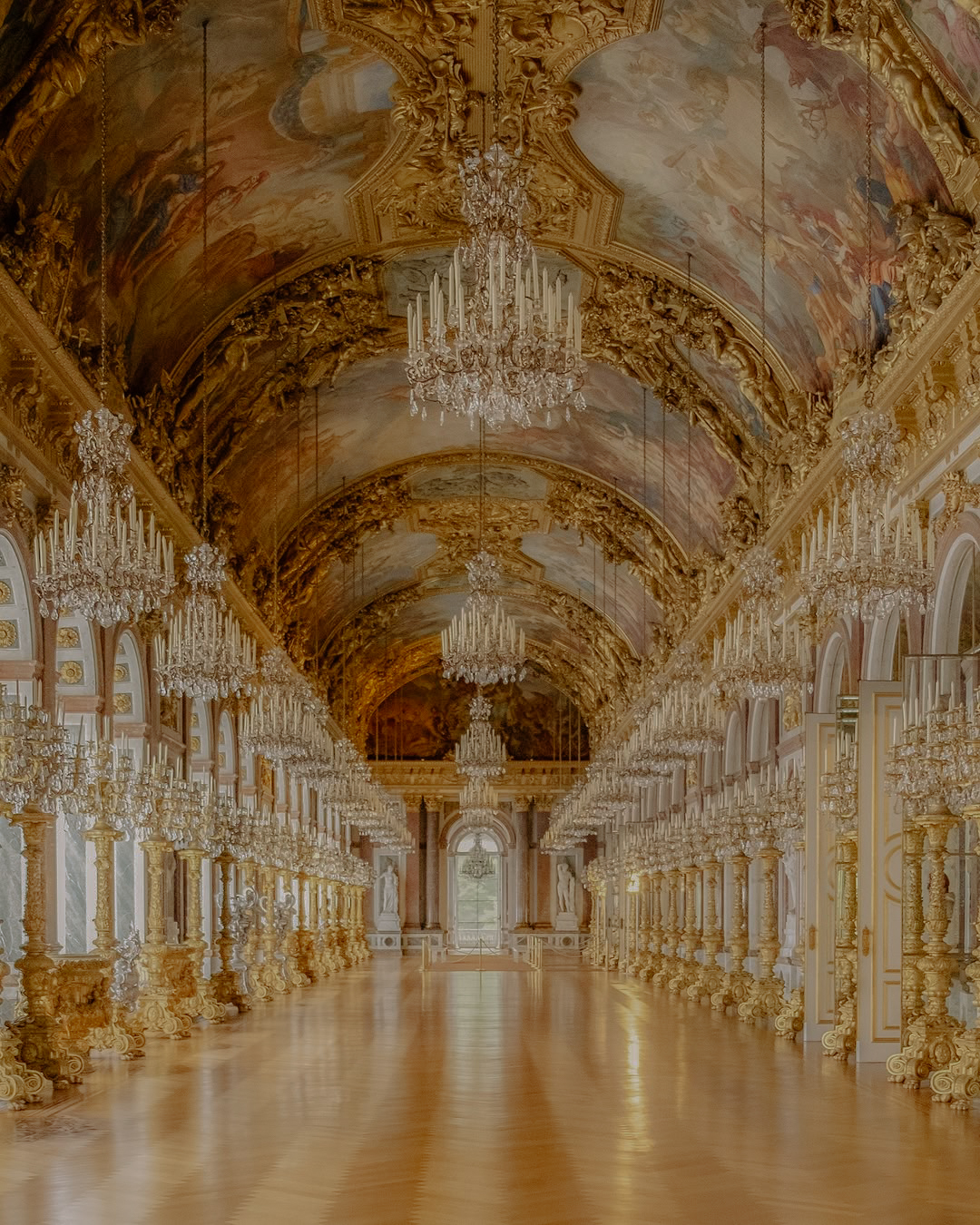
The Hall of Mirrors, completed in 1684, remains the clearest image of that ambition. Seventy-three meters long, lined with 17 windows and 357 mirrors, it was the stage for royal ceremonies and state rituals. Here Louis XIV received ambassadors; here, more than two centuries later, the Treaty of Versailles was signed in 1919, ending the First World War. A room created to glorify a monarch became the symbol of an empire’s decline. Every reflection still holds a trace of that history a flicker of footsteps, a whisper of triumph and loss.
And yet, despite the weight of time, Versailles feels alive. In Le Nôtre’s gardens, marble statues alternate with still ponds that reflect the sky like moving paintings. In spring, fountains rise again to the rhythm of baroque music, and the palace seems to breathe once more. Perhaps that is Versailles’ secret: it no longer belongs to power, but to time. Walking through it means crossing the thin line between grandeur and memory and realizing that beauty might be the only form of eternity we still possess.