The Library of the Republic
Inside Venice’s Biblioteca Marciana
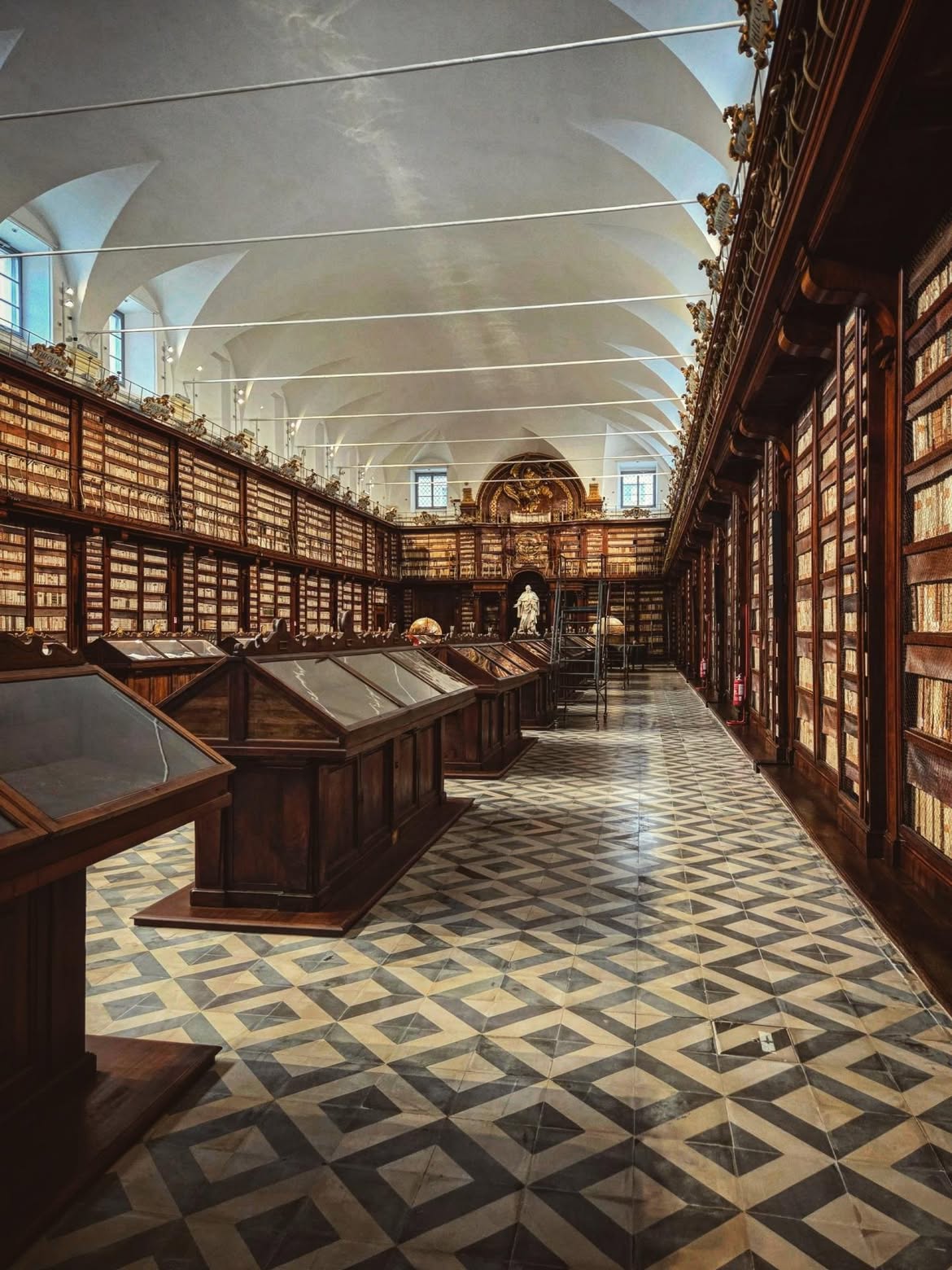
Few buildings reveal the intellectual ambitions of Renaissance Venice as clearly as the Biblioteca Marciana. Facing the Doge’s Palace across the Piazzetta San Marco, the library grew from the collection donated to the Venetian Republic in 1468 by Cardinal Bessarion, whose manuscripts, particularly Greek and Latin texts, provided the foundation for a public library dedicated to scholarship and the preservation of knowledge.
The Republic commissioned Jacopo Sansovino to create a building worthy of that collection. Construction began in 1537 as part of a wider transformation of Piazza San Marco, replacing market stalls and inns with a monumental classical façade designed to stand in deliberate dialogue with the Gothic architecture of the Doge’s Palace opposite. After Sansovino’s death, Vincenzo Scamozzi completed the project. The result became one of the defining works of Venetian Renaissance architecture.
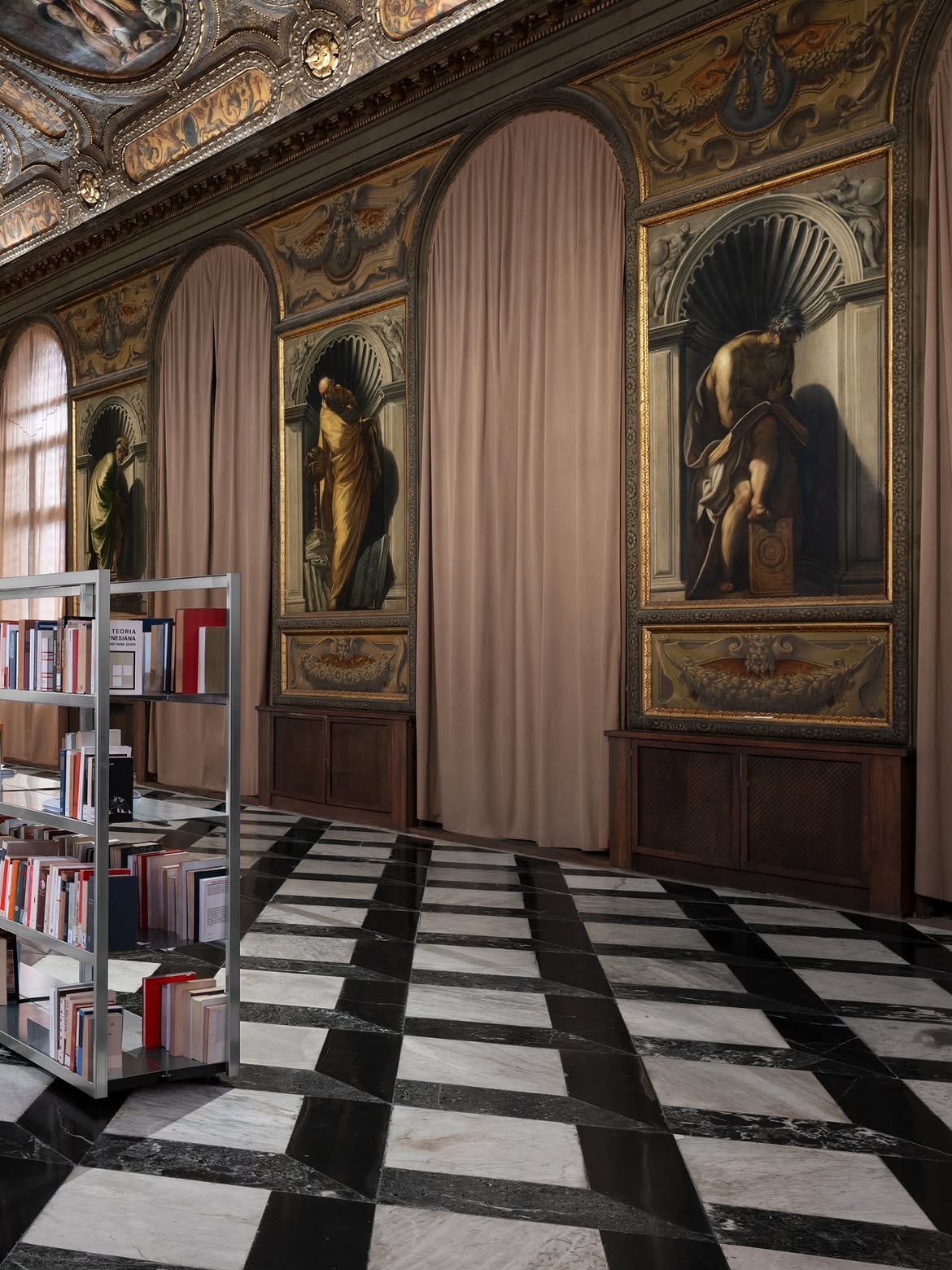
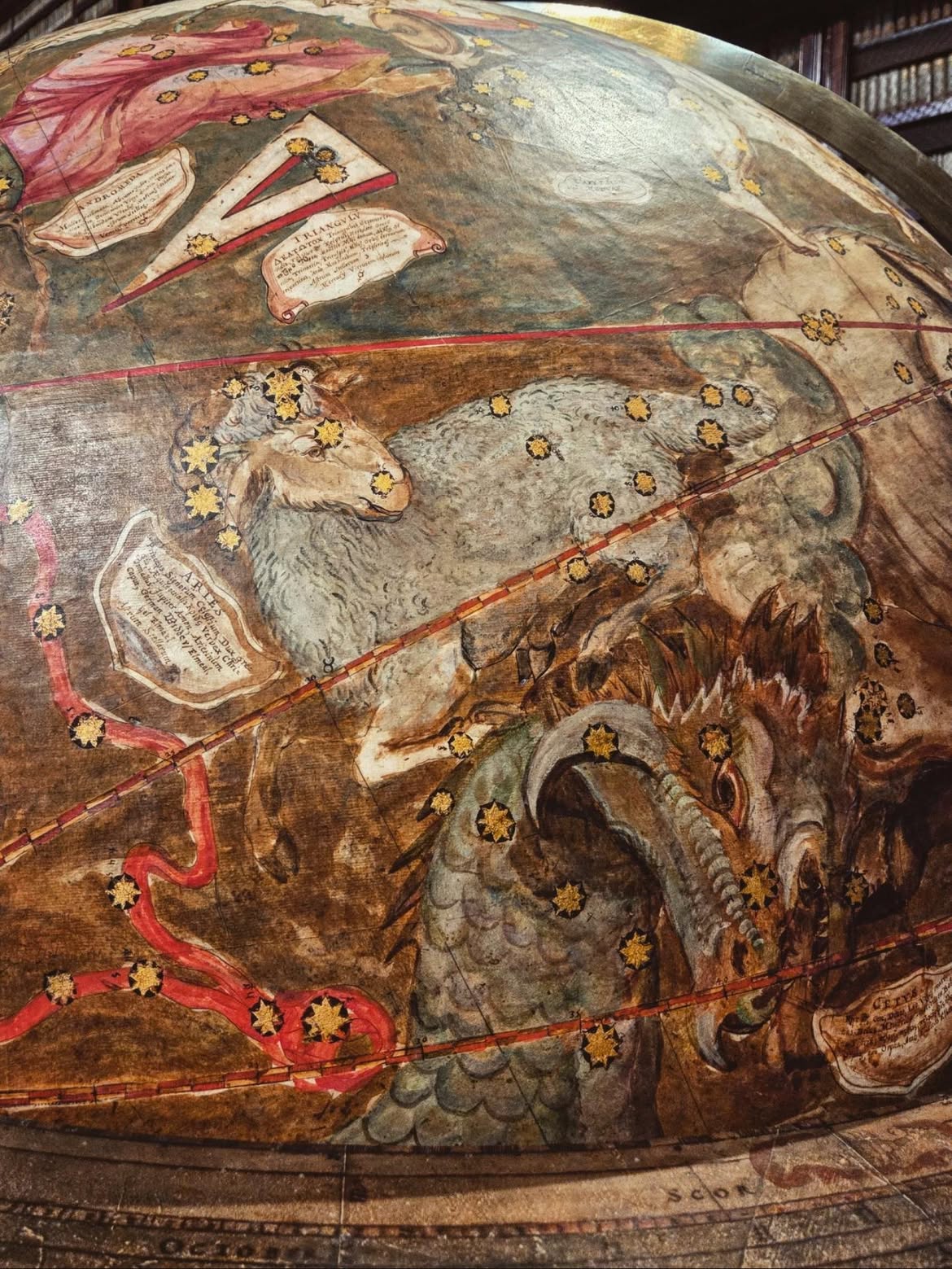
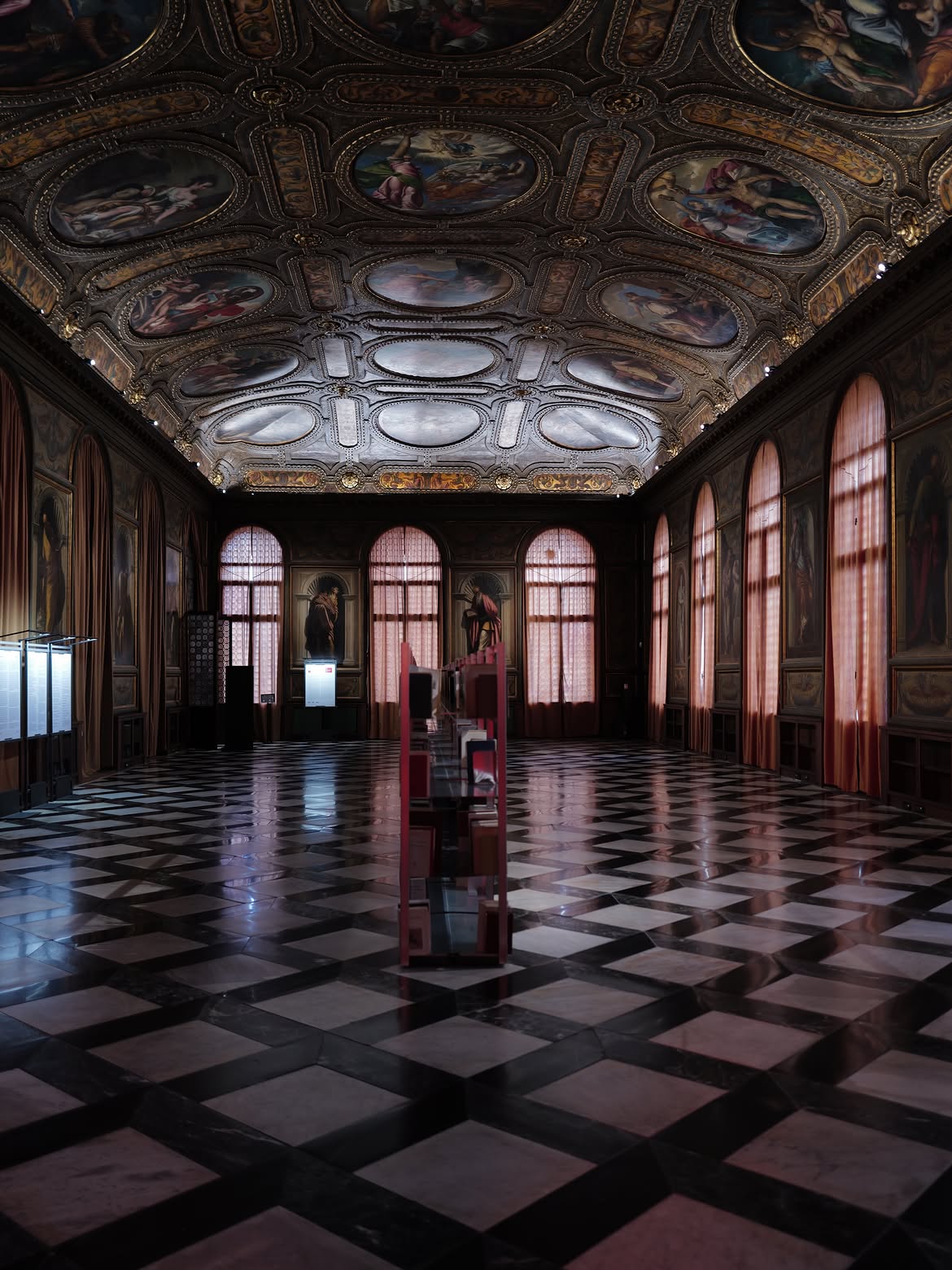
Inside, architecture and knowledge were conceived as part of the same visual language. The monumental staircase leads through the Vestibule to the great Sansovinian Hall, originally furnished with walnut desks where manuscripts were physically chained for consultation. Its elaborate decorative programme brought together some of the leading artists of sixteenth-century Venice, while the vaulted ceiling incorporated 52 grotesque panels by Battista Franco. Today, two monumental seventeenth-century globes by Vincenzo Coronelli stand at the centre of the hall.
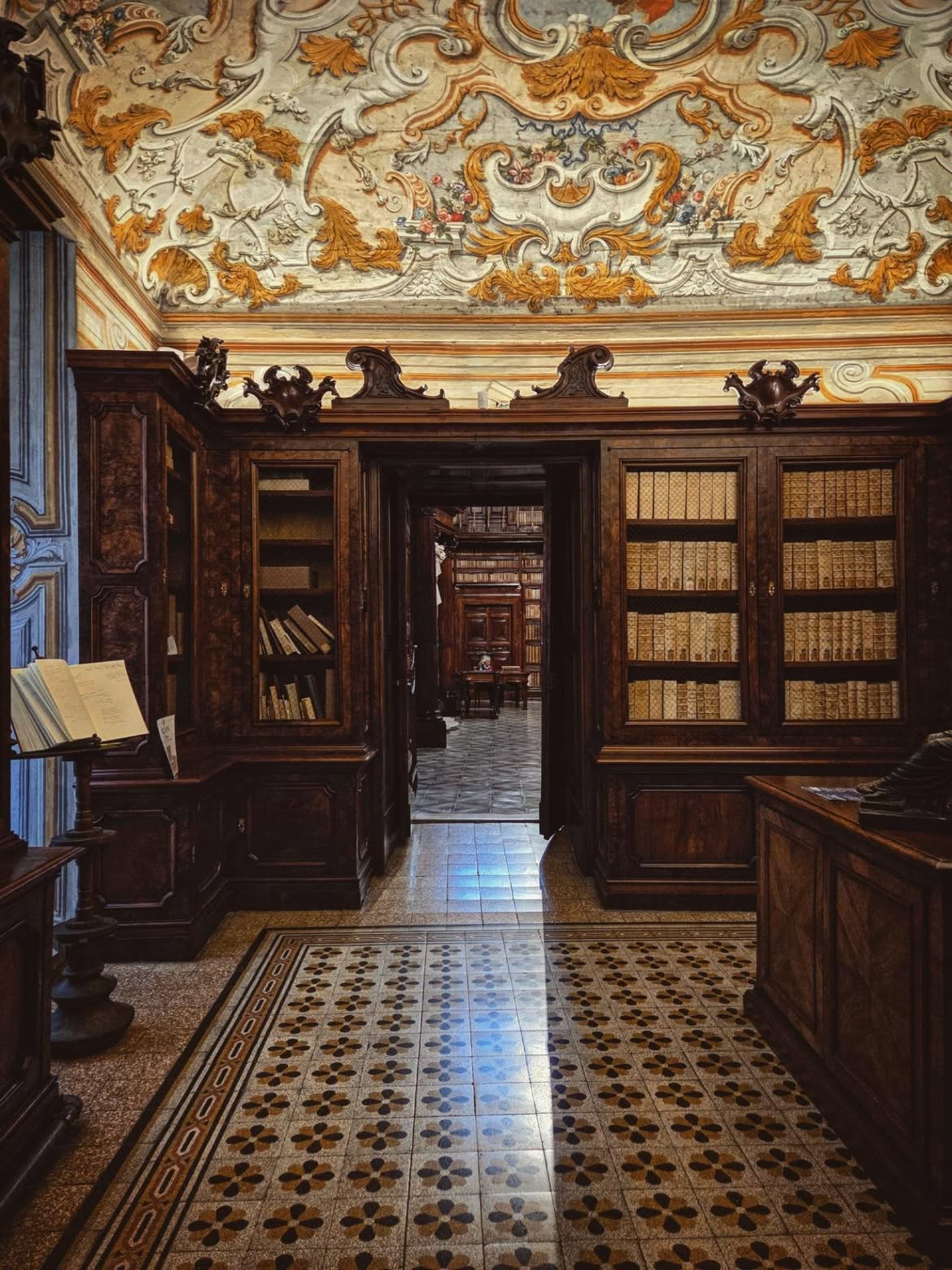
The Marciana was never intended simply as a repository. It represented the Republic’s understanding of books, antiquity, art and scholarship as instruments of civic identity. Its collections expanded through donations, acquisitions and, from 1603, a Venetian law requiring printers to deposit a copy of every book they published, the first legislation of its kind in Italy. Over centuries, the library accumulated manuscripts, printed works, maps and documents that trace Venice’s role as a meeting point between European and Mediterranean cultures.
The GR8 Experience offers a different perspective on Venice, connecting the Biblioteca Marciana with the architecture, art and intellectual history of the Venetian Republic. Privately guided visits and tailored cultural itineraries can explore the library’s historic rooms alongside the monuments of Piazza San Marco, revealing the ideas, artistic achievements and traditions that shaped the city over centuries.