A Night at the Opera
Beyond the performance.
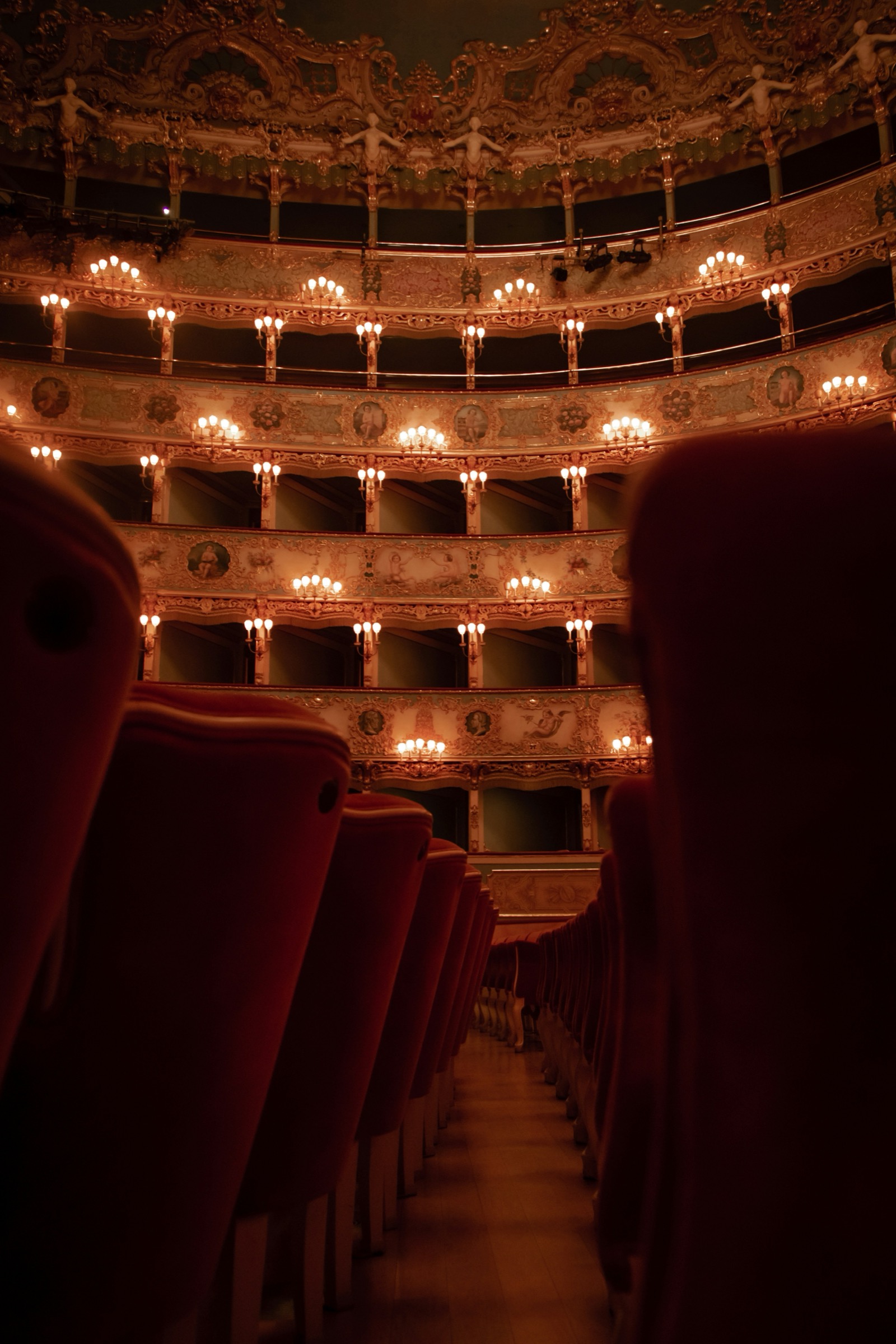
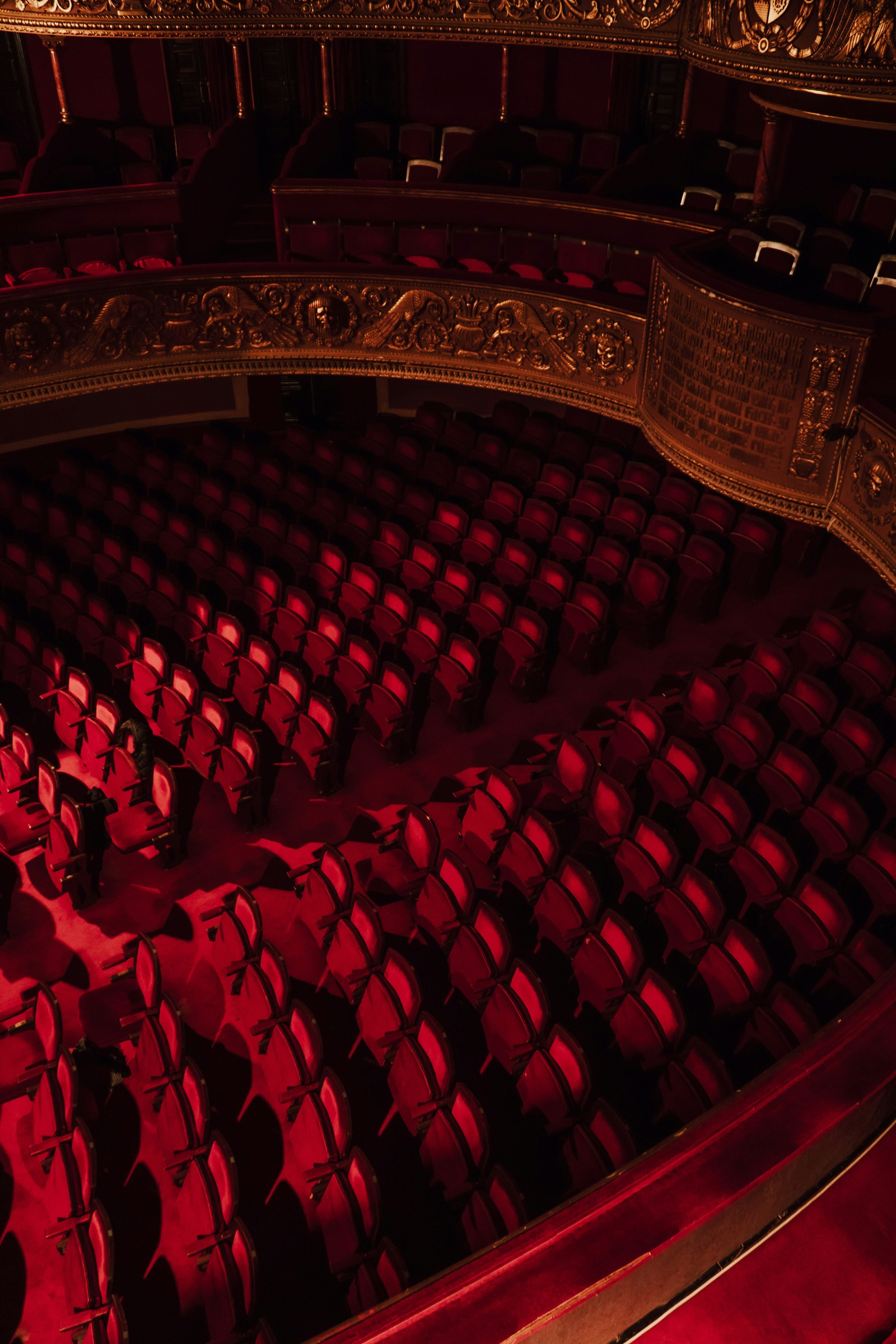
An evening at the opera has never been only about the performance. In Milan, Paris and Vienna, the theatre itself is part of the experience: the arrival, the architecture, the grand staircases and foyers, the interval, and the world hidden behind the stage. At La Scala, the Palais Garnier and the Vienna State Opera, these rituals have developed over centuries.
La Scala opened in 1778 and became inseparable from the history of Italian opera, from Rossini and Verdi to Toscanini. Since 1951, its season has traditionally opened on December 7, the feast of Milan’s patron saint Sant’Ambrogio, still one of the most anticipated nights in the city’s cultural calendar.
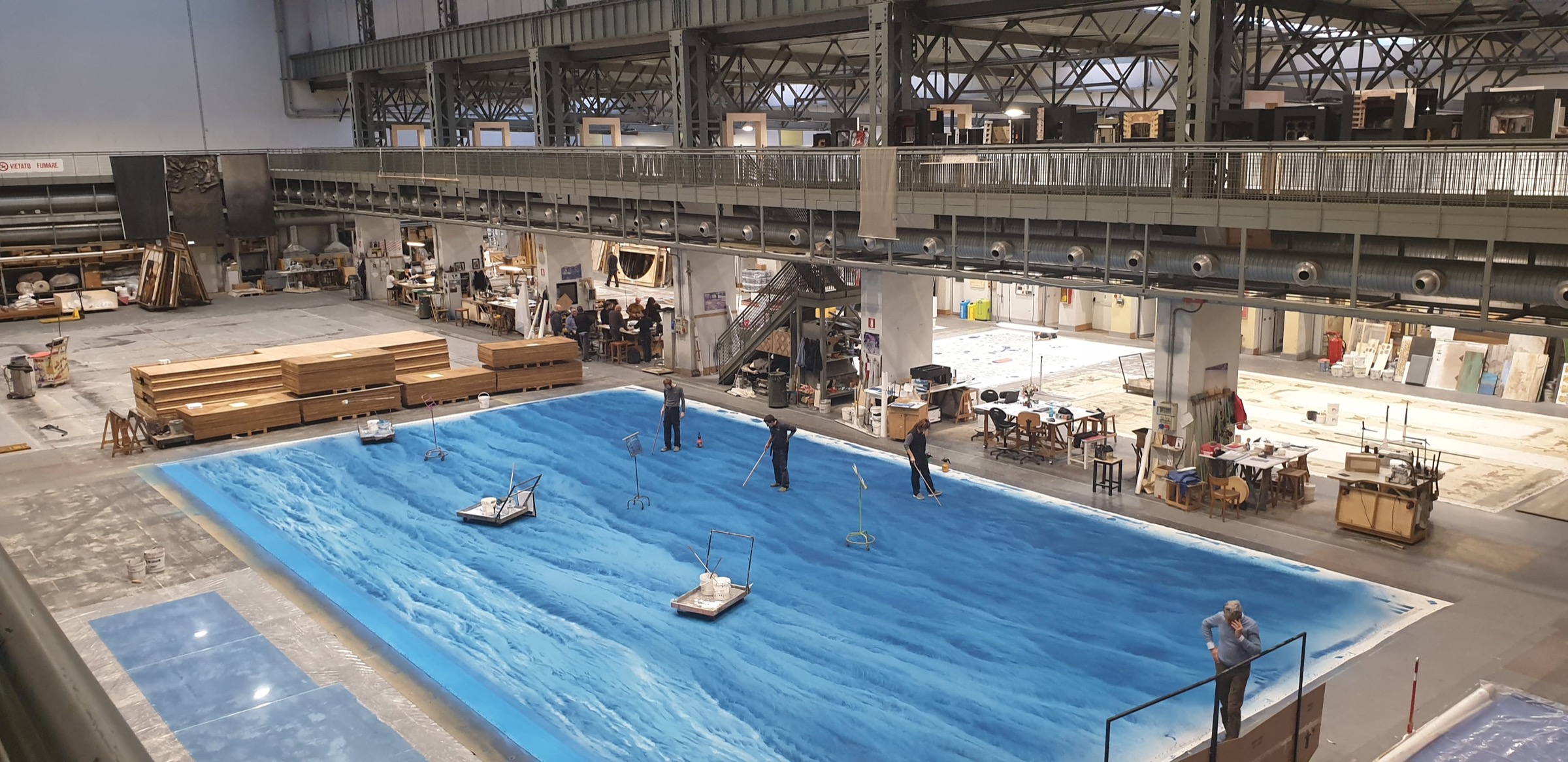
Beyond the auditorium, the Ansaldo Workshops reveal another side of La Scala. More than 150 craftspeople work across set design, sculpture, carpentry, mechanics and costume production, transforming drawings and ideas into the worlds audiences eventually see on stage.
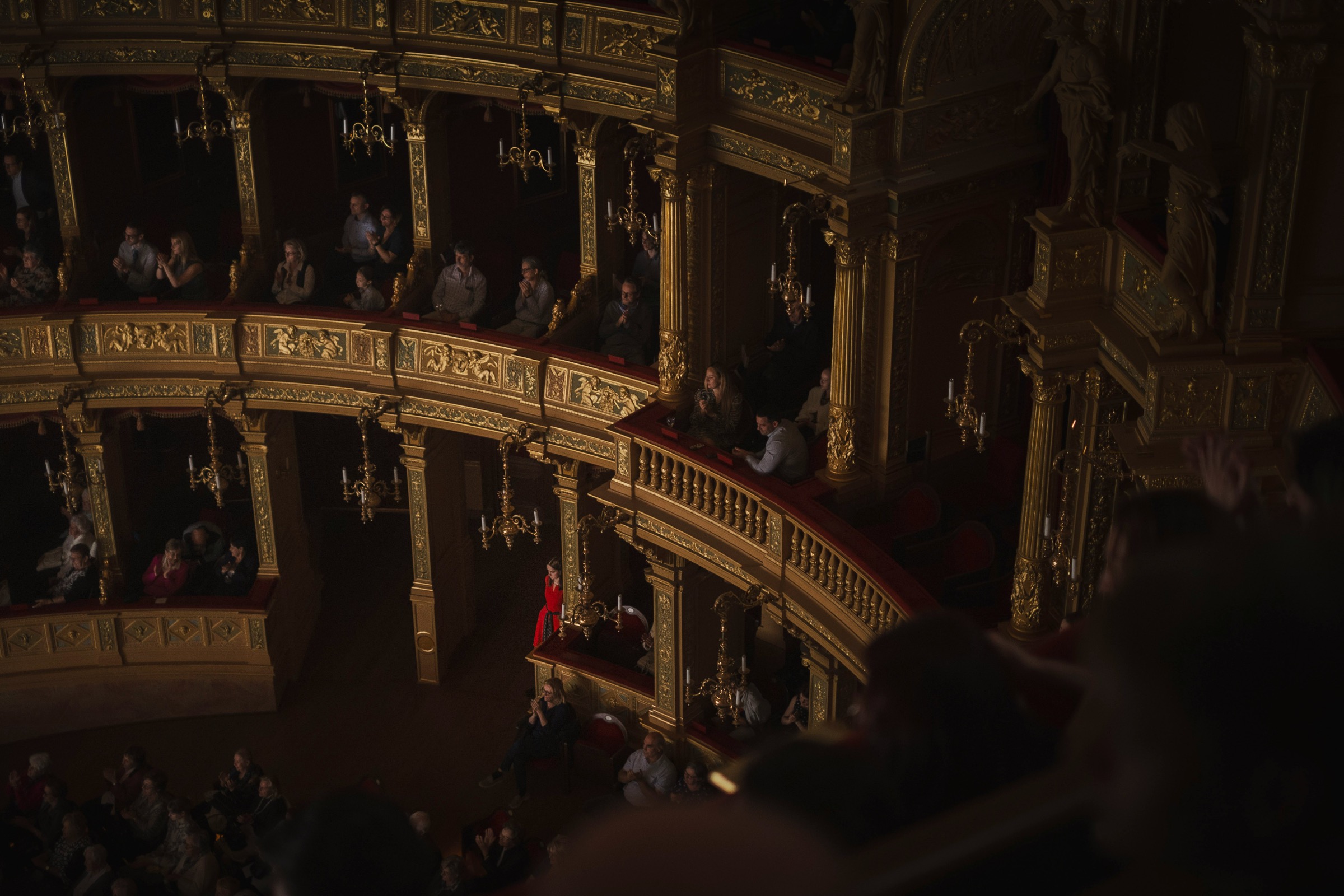
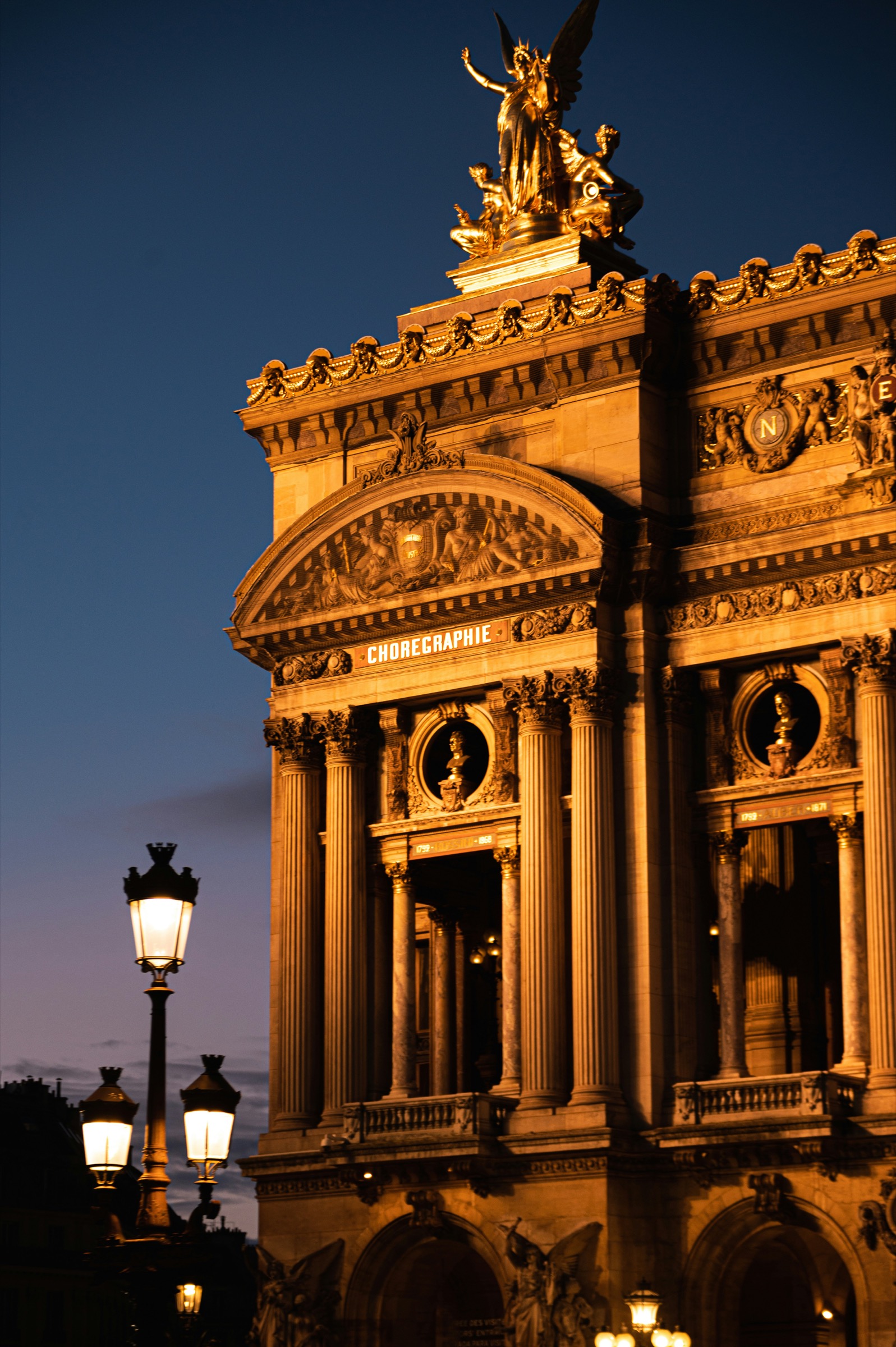
Completed in 1875 by Charles Garnier, the Palais Garnier was designed as much for the audience to observe one another as for them to watch the stage. Its Grand Staircase, balconies and richly decorated foyers turn the journey to the auditorium into part of the evening itself.
Ascending the staircase, crossing the Grand Foyer and returning to the salons during the interval remain part of its particular ritual. Here, opera is inseparable from the architecture and social history of nineteenth-century Paris.
The Vienna State Opera opened on the Ringstrasse in 1869 with Mozart’s Don Giovanni. Heavily damaged during the Second World War, it reopened in 1955 with Beethoven’s Fidelio, preserving historic elements including its façade, grand staircase and Schwind Foyer.
Behind these interiors is a complex theatrical machine. Sets can change from one production to another almost daily, requiring a constant choreography of technicians, performers, costumes and scenery that remains largely invisible once the curtain rises.
A night at the opera can extend beyond the performance, with exceptional seating, private or backstage visits, pre-performance dining and transportation arranged as part of the GR8 Experience. At La Scala, the Palais Garnier and the Vienna State Opera, the architecture, craftsmanship and traditions surrounding the stage are as much a part of the evening as the performance itself.